In a country of approximately 1.4 billion people obsessed with cricket where the sport is considered as a religion, team selection is always a challenging job. BCCI being the richest sports governing body in the world have some tough tasks under its belt to deal with the expectations of masses. With teams around the world adopting new approaches every time, cricket administrators are always expected to be edge to edge with their counterparts. In last two decades the way cricket has changed and the pace at game is changing, players are expected to be on their best 365 days of the year.
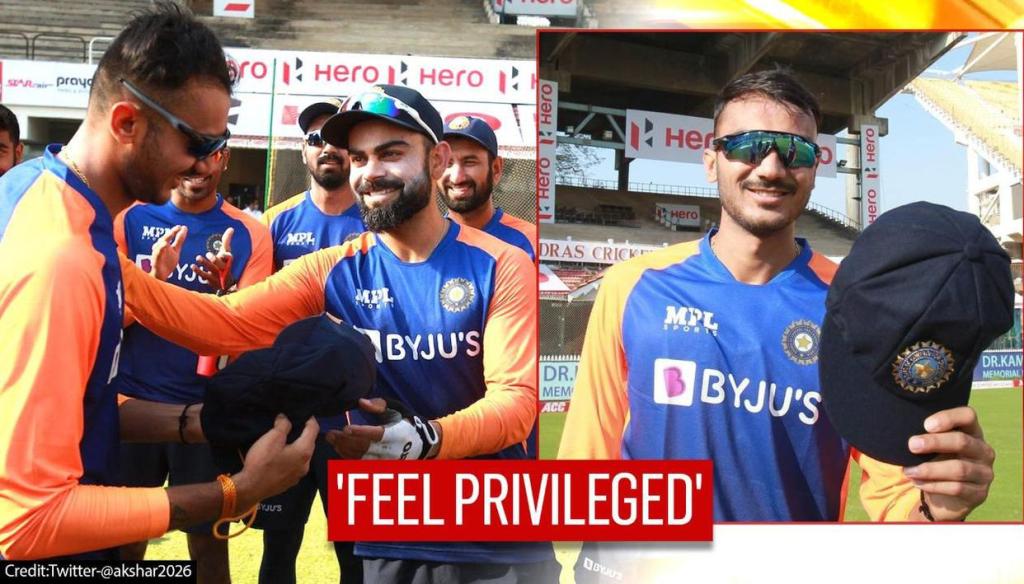

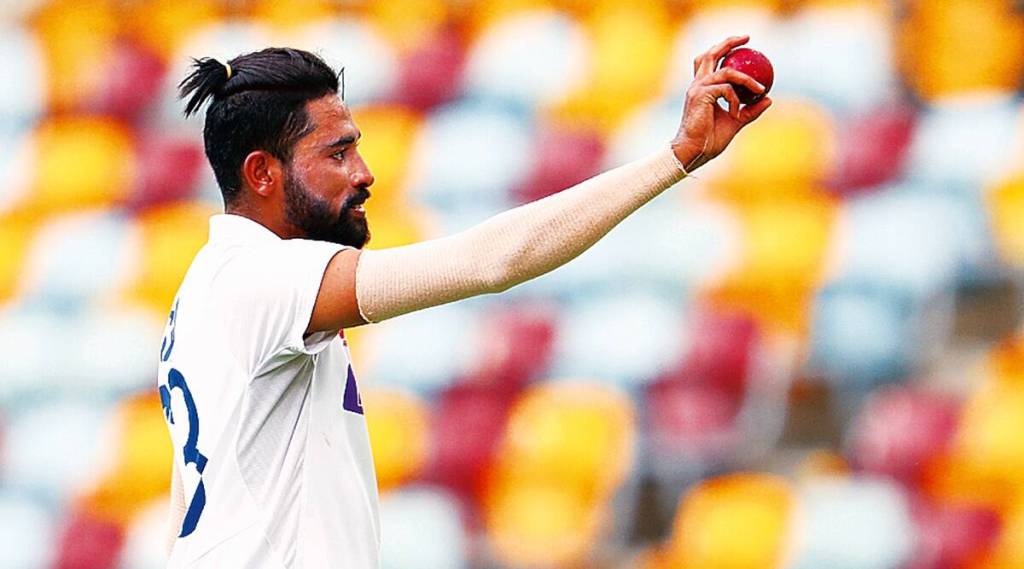
Competition to get into the side is tough but the even bigger challenge lies in keeping the place safe in the team because one or two failures can result in loosing the place from the side and the way youngsters are coming up one can not be sure of getting bac to the team. Even if there is injury to a player and he misses a series or two and his replacement is able to perform, the place of the injured place is under risk. Keeping fitness levels to match the needs of todays era becomes ever so important than before. Just take the example of one of the most exciting player of current generation Hardik Pandya. Before his back injury he was permanent member of the Indian cricket team in all three formats but once he was out because of the injury, other players came in to fill his shoes and now even he is finding it difficult to get into the test side. Same is with Mohammed Shami and Umesh Yadav. During the tour of Australia both got injured and were out of the team, Mohammed Siraj came in as replacement and now it is difficult for Shami to find a place in the side.
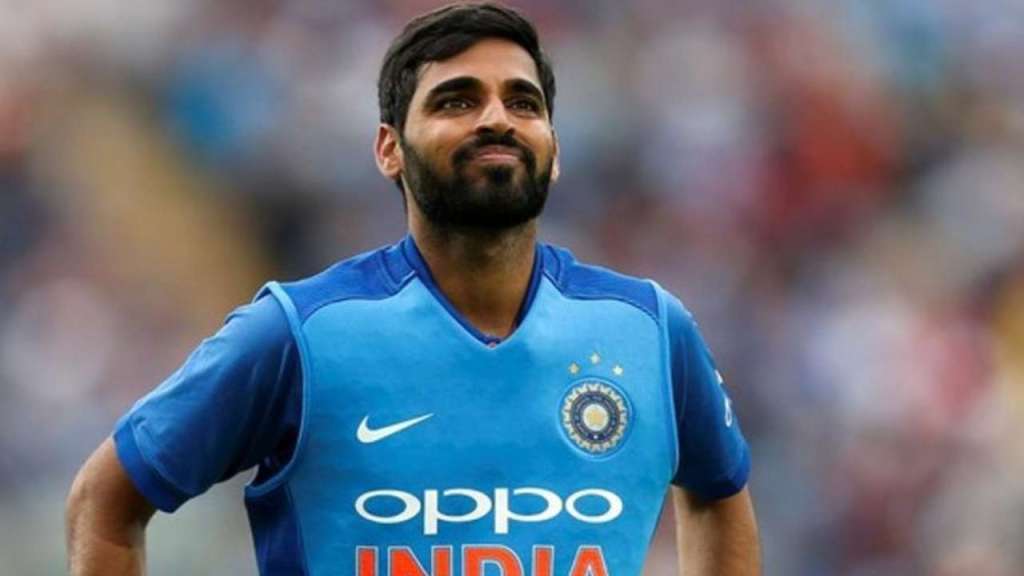
K. L. Rahul one of the top performers for team India in all formats of the game is finding it difficult to get into the side. Bhuvneshwar Kumar the premier fast bowler and one of the important player in white ball games is also facing the same challenge. One bad performance or injury and you are out and when you are trying to make a come back, someone else has already cemented his place in the side has been the story in last few years. This wasn’t the case a decade ago. Can someone imagine injury to Dravid or Ganguly can risk their place in the side. Injury to Jawagal Srinath or Anil Kumble could never result in them loosing a place in the side. Sachin Tendulkar never would have felt the pressure of loosing his place in the side because of injury or one bad series. But the competition is so intense these days that one of the best batsman of current era Rohit Sharma was not a permanent member of test squad till now. one or two bad series and someone else is knocking the doors for the entry into the team.
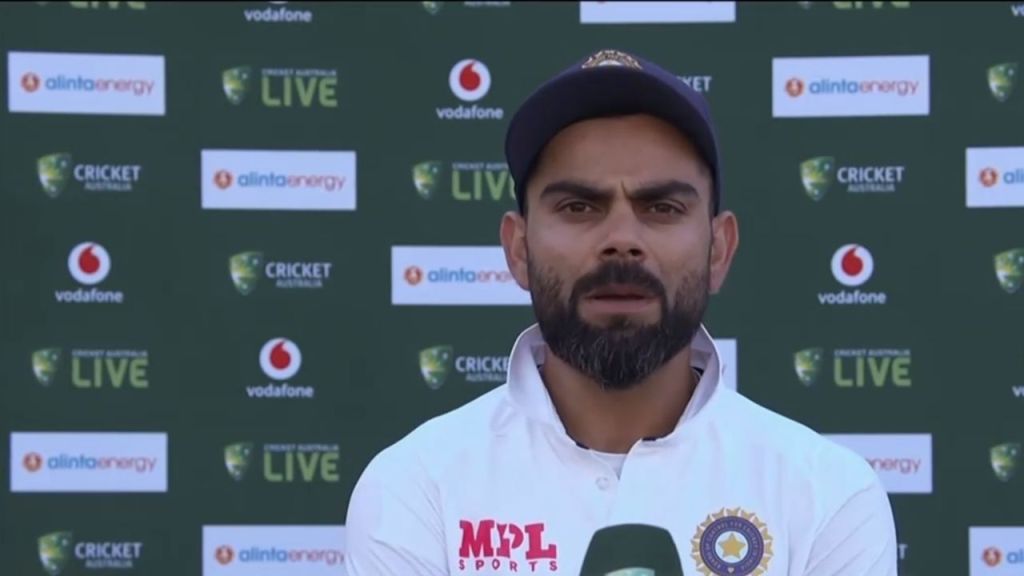

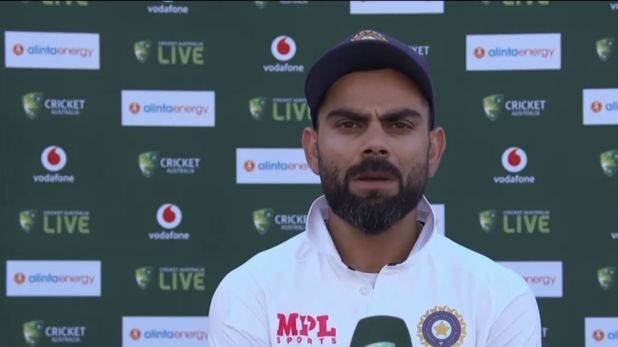
A decade ago, performance in the domestic cricket was the only parameter to judge the new talent but after the inception of IPL, young players are coming to the limelight of cricketing world. With number of players knocking the doors of the team with some brilliant performances in IPL and domestic cricket, the task for selectors become very challenging. One solution to the problem is different teams for different format, solution first introduced by the Australians. Different captains for ODIs and Tests have been practiced during the reign of Dhoni when Virat was captaining the side for the tests and Dhoni for the limited overs but after dhoni stepped down as captain, Virat was handed over the responsibility to lead the team in all three formats.
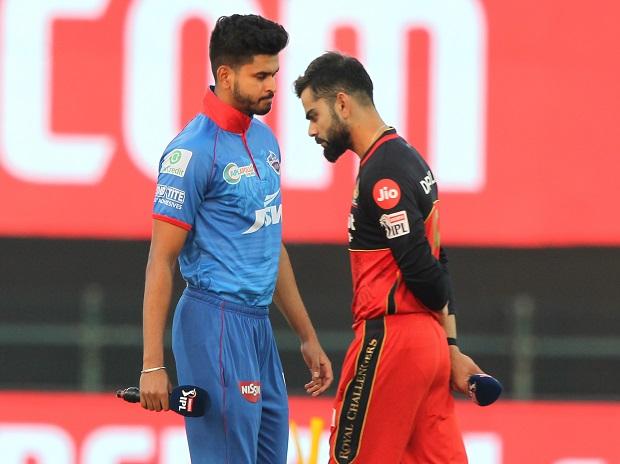
For the country of India’s size it is always advisable to go for different teams for all three formats of the game to give enough chances to the players and nurturing the right talent for bigger occasion. Current bench strength of the team is so powerful that two separate teams can be prepared with the pool. So for the longer run to keep the players away from injury because of tiring schedules and providing opportunities to the deserving young talent, selectors can go for separate teams for all three formats. Senior players can continue to play the test cricket, some established young players can play the 50 overs edition and the emerging players can be a part of the 20 overs format. This could lay down the foundation of preparing the players for absorbing the pressure at the highest level by giving them exposure to the one edition of the game at a time. This strategy could be highly debatable if the team underperform but again coming back to the point that to select 11 players from 139 crore is an inhuman task.

If you sum up the population of all major cricket playing nations the resultant figure is not half of the population of India. So you can imagine the level of competition there is to get a place into the side. For example New Zealand’s population is approx. 50 lakhs whereas the Mumbai a city itself is a home to 2 crore people. It is no competition at all.
| Country | Population in Crores |
| Australia | 2.54 |
| New Zealand | 0.49 |
| Sri Lanka | 2.18 |
| Bangladesh | 16.3 |
| Pakistan | 21.66 |
| South Africa | 5.86 |
| England | 6.66 |
| West Indies | 4.44 |
| Total | 60.13 |
| India | 139 |
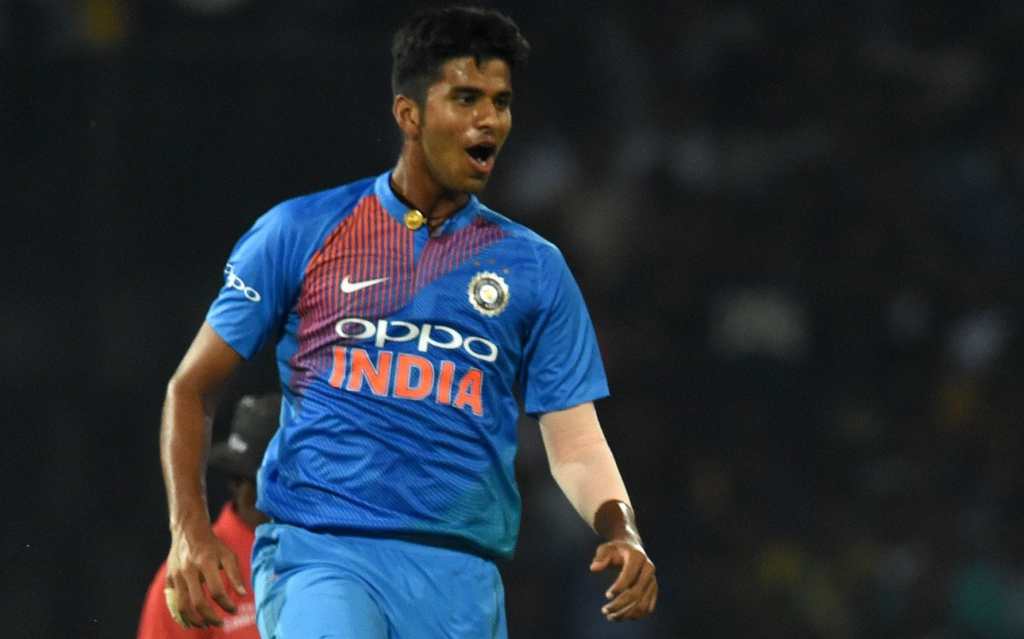
In coming years we may see Hardik Pandya captaining the test squad, Shreyas Iyer leading the ODI team and Washington sunder is made incharge of the twenty overs format. With Virat, Rohit, Pujara, Dhawan, Ashwin and Rahane growing older, we may not be far away from seeing the different teams and different captains for all three formats. Do send us your views on the same. We will be happy to receive your comments and feedback on this article.
 Cricket Ustaad